
Panel Buying Guide
9 Ply vs 11 Ply Film Faced Plywood: Do More Layers Mean Better Quality?
Learn the difference between 9-ply and 11-ply film faced plywood and why veneer quality, core gaps, glue, pressing and thickness control matter more than ply count alone.
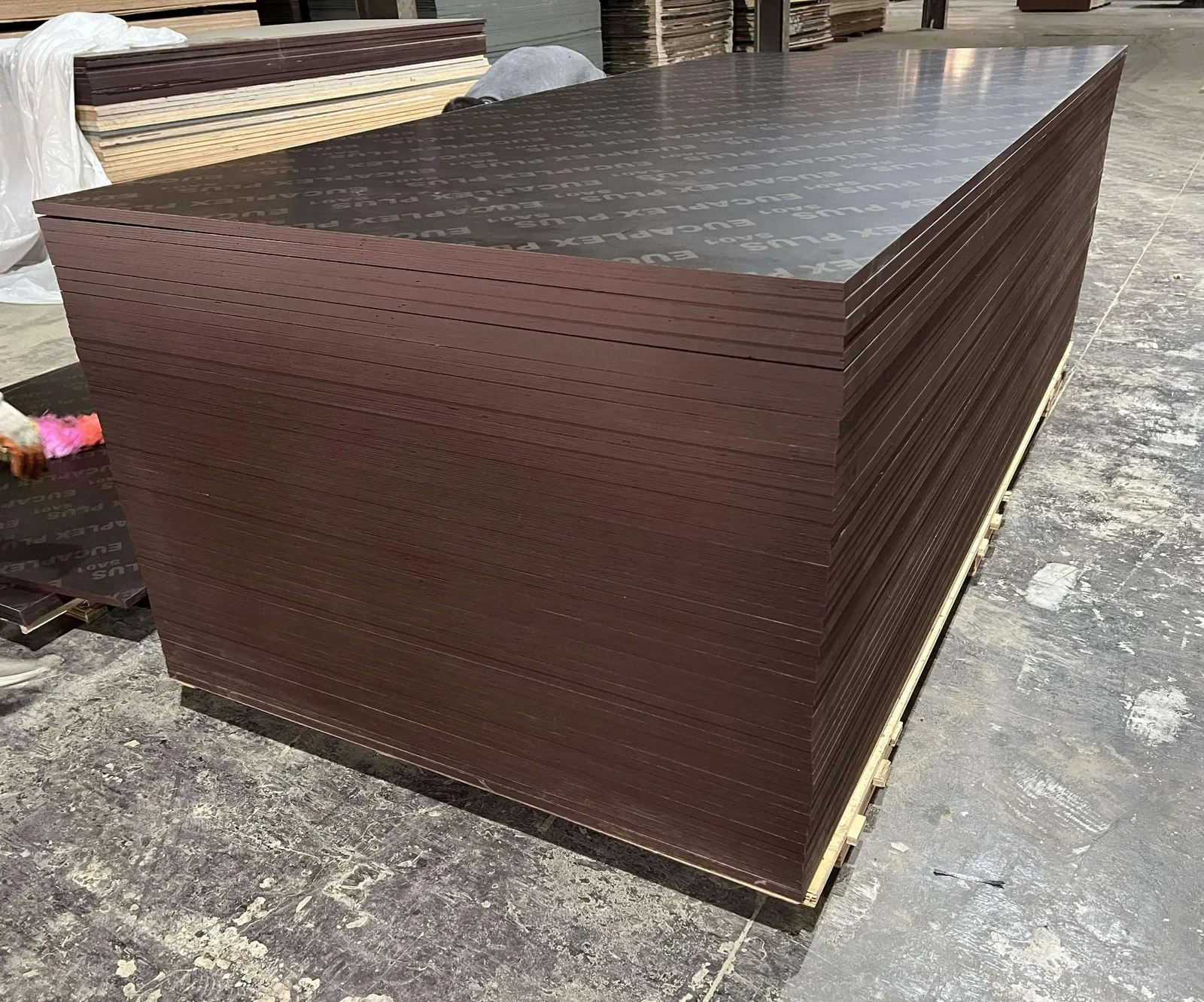
Film faced plywood is widely used for concrete formwork, construction and temporary structural applications.
When comparing suppliers, buyers often see specifications such as:
- 17 mm, 9 ply
- 17 mm, 11 ply
- 16.5 mm, 9 ply
- 16.5 mm, 11 ply
This raises an obvious question:
Is 11-ply plywood automatically better than 9-ply plywood?
The answer is no.
Ply count is important, but it should never be evaluated alone.
What Does “Ply” Mean?
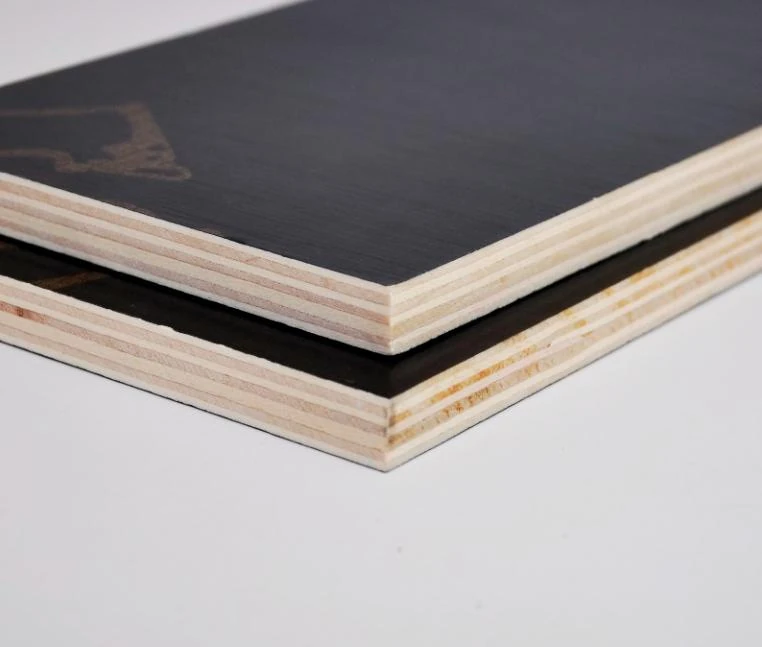
Each ply is a layer of wood veneer inside the plywood panel.
A panel described as 11 ply contains more individual veneer layers than a comparable 9-ply construction.
For panels of similar final thickness, more plies normally means thinner individual veneers.
This can influence the internal structure of the board.
However, the final result depends heavily on the quality of those veneers.
Potential Advantages of More Plies
When production quality is similar, using more veneer layers can help create a more uniform panel structure.
Potential advantages may include:
- More balanced construction
- Reduced influence of individual veneer defects
- More consistent internal structure
- Smoother distribution of stress through the panel
But this assumes the veneers themselves are properly selected and bonded.
Eleven poor-quality veneers do not automatically produce better plywood than nine good-quality veneers.
Veneer Quality Is More Important Than Ply Count
Consider two panels.
Panel A:
- 11 layers
- Low-grade veneers
- Large core gaps
- Poor moisture control
Panel B:
- 9 layers
- More uniform veneers
- Better core repair
- Controlled moisture
- Strong bonding
Panel B may perform better even though it has fewer layers.
This is why professional buyers should ask about the complete construction.
Core Gaps
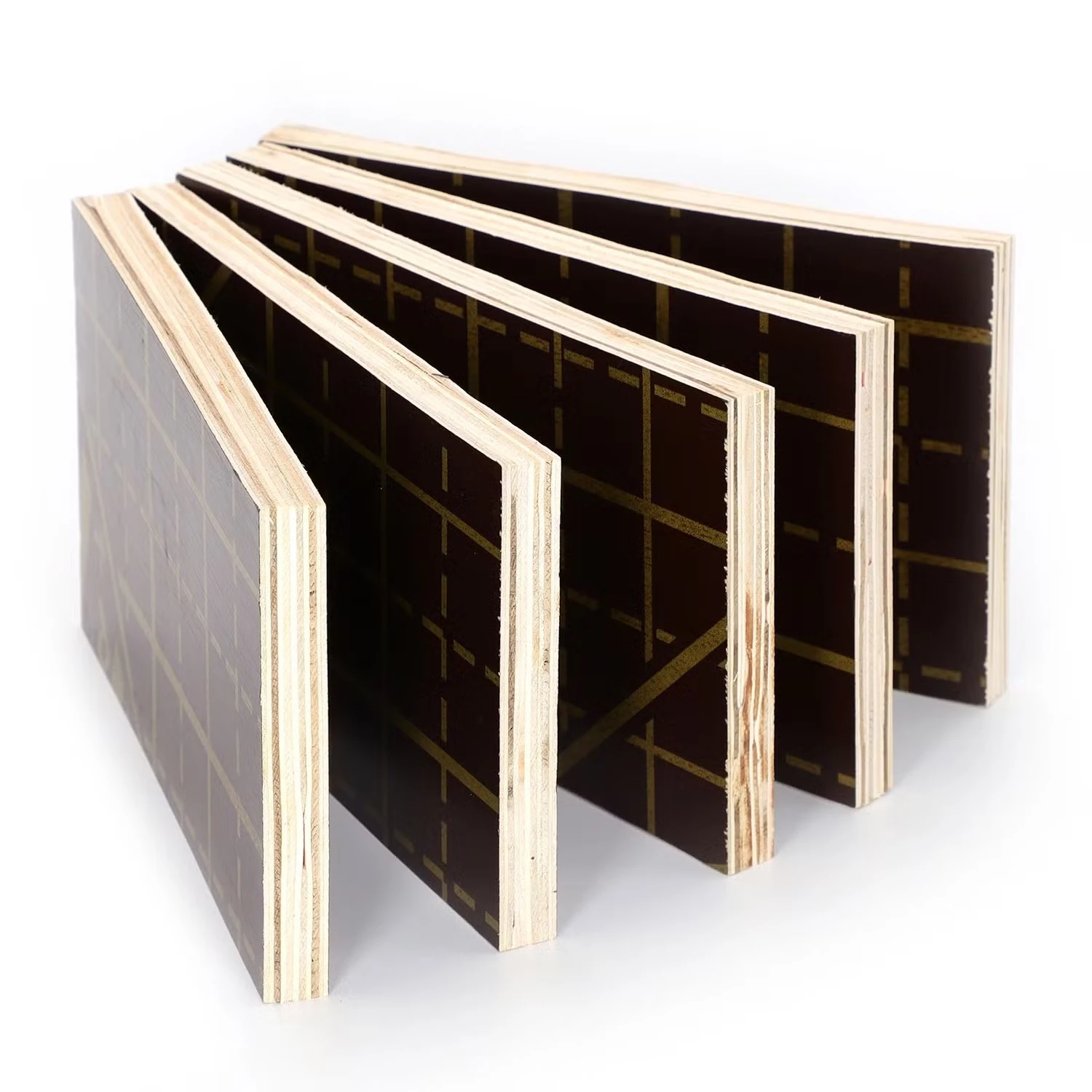
Internal gaps are particularly important in film faced plywood.
Large voids can cause:
- Weak areas
- Local surface deformation
- Poor edge quality
- Reduced consistency
Buyers should inspect the cut edge whenever possible.
A clean edge can reveal much more about the core than the film surface alone.
Glue Quality
The bonding system is another critical factor.
Film faced plywood may be produced using different adhesive systems depending on the application and target price.
Buyers should confirm the required glue specification before placing the order.
The supplier should not simply change the glue system to reduce the quotation without informing the buyer.
Hot Pressing
Correct pressing helps bond the veneers into a stable panel.
Important production variables include:
- Pressing pressure
- Pressing temperature
- Pressing time
- Veneer moisture
- Glue spread
Ply count cannot compensate for poor pressing.
Actual Thickness
Nominal thickness and actual thickness are not always exactly the same.
For construction plywood, buyers should confirm:
- Required nominal thickness
- Acceptable tolerance
- Whether thickness is checked sheet by sheet or by sampling
- Whether sanding is included in production
For some projects, thickness consistency may be more important than the difference between 9 and 11 plies.
Film Surface
The film protects the plywood surface and creates a smoother contact surface for concrete formwork.
Buyers should inspect:
- Film bonding
- Surface scratches
- Bubbles
- Damaged corners
- Uneven film
- Edge sealing
Film color alone does not determine quality.
Black, brown and other film colors can all be produced in different quality levels.
Can You Judge Reuse Times from Ply Count?
No.
It is risky to judge the expected number of formwork uses only from the number of plies.
Actual reuse performance depends on many factors, including:
- Construction conditions
- Handling
- Concrete type
- Release agent
- Cleaning
- Storage
- Edge damage
- Water exposure
- Core quality
- Glue
- Film quality
For this reason, buyers should be cautious when a supplier guarantees a specific reuse number without understanding the construction conditions.
9 Ply or 11 Ply: Which Should You Buy?
Choose based on the complete specification.
For a price-sensitive project, a properly manufactured 9-ply panel may be suitable.
For buyers requiring a more layered construction, 11-ply may be preferred.
But always compare:
- Core material
- Veneer grade
- Actual thickness
- Glue
- Film
- Moisture
- Pressing
- Core gaps
- Packing
Only then can the quotations be compared fairly.
Final Thoughts
More layers can be beneficial, but more layers do not automatically mean better film faced plywood.
Ply count should be treated as one technical specification among many.
A reliable purchasing decision should consider the complete panel construction and the requirements of the construction project.
SOWO Panels supplies different film faced plywood structures according to customer specifications. Send us the required thickness, ply count, core, film color, quantity and destination port for a detailed quotation.
Discuss your panel specification with SOWO
Send the panel type, dimensions, thickness, quantity and destination so we can review the requirements for your quotation.
Request a QuoteCompare your required construction and inspection points with our film faced plywood product specifications before requesting a quotation. Film Faced Plywood