
Panel Buying Guide
Plywood Core Types Explained: Strip Core vs Finger-Jointed Core vs Full Veneer Core
Compare strip core, finger-jointed core and full veneer core plywood. Learn how core construction affects internal gaps, consistency, cost and plywood performance.
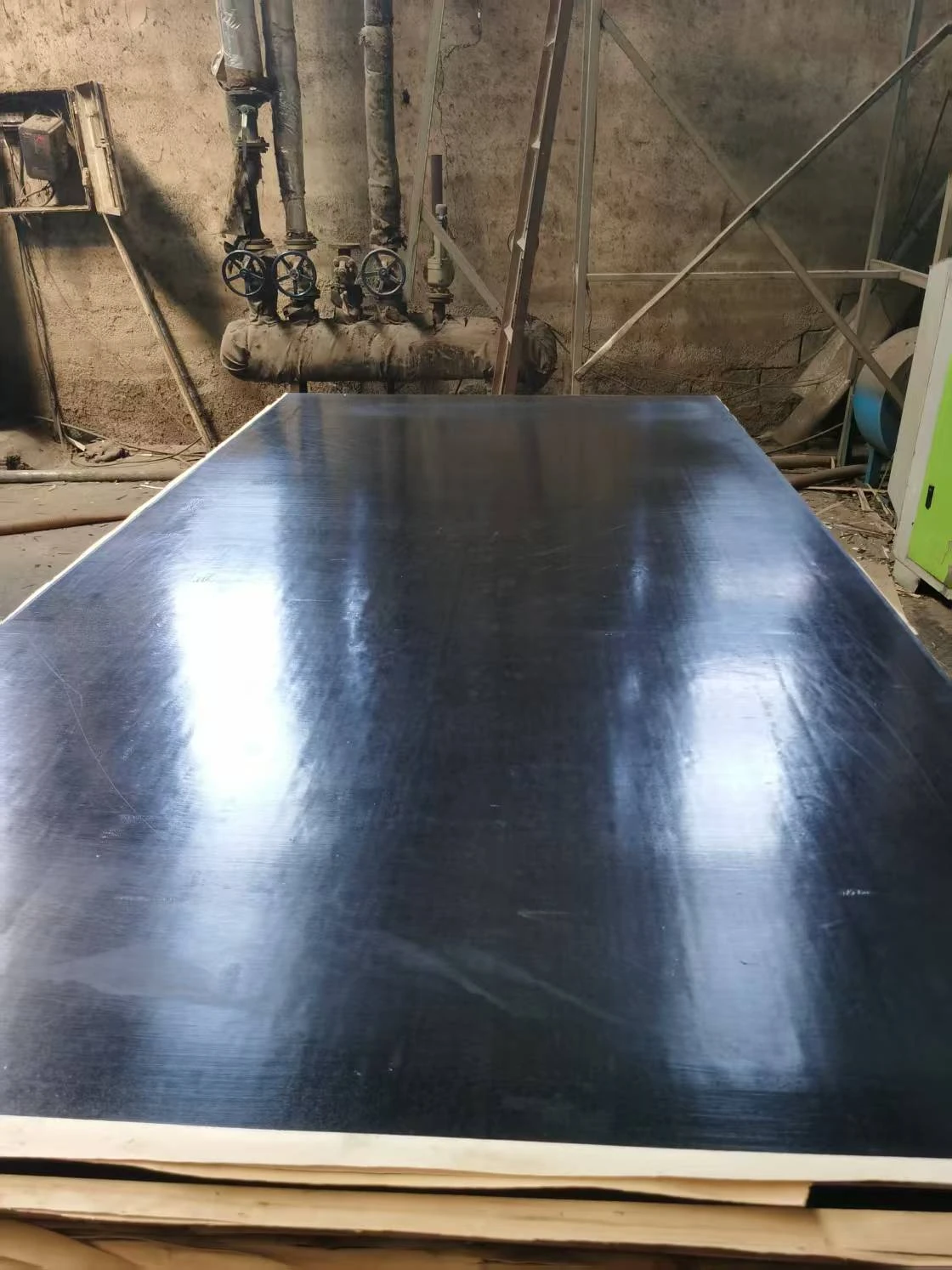
When plywood buyers compare quotations, they often focus on thickness, face material and price.
However, one of the biggest differences may be hidden inside the panel: the plywood core.
Different core constructions can result in different levels of internal uniformity, production cost and overall performance.
Three core structures commonly discussed in plywood purchasing are:
- Strip core
- Finger-jointed core
- Full veneer core
Understanding the difference can make plywood quotations much easier to compare.
Why Is the Plywood Core Important?
The core makes up most of the thickness of a plywood panel.
Its quality can affect:
- Internal gaps
- Panel flatness
- Thickness consistency
- Mechanical performance
- Edge appearance
- Screw holding
- Weight
- Production cost
A good-looking surface does not necessarily mean the internal structure is equally good.
This is why professional buyers often inspect both the face and the cut edge of plywood.
What Is Strip Core Plywood?
Strip core uses relatively small pieces or strips of wood inside the panel.
These strips are arranged and bonded before the final plywood pressing process.
Its major advantage is material utilization.
Smaller wood pieces can be used efficiently, making this construction attractive for price-sensitive products.
However, quality depends heavily on how carefully the strips are selected and arranged.
Buyers should pay attention to:
- Gaps between strips
- Uneven wood thickness
- Overlapping pieces
- Missing sections
- Glue distribution
- Moisture differences
A well-produced strip core can be suitable for many commercial applications.
A poorly controlled strip core, however, may contain larger internal voids.
What Is Finger-Jointed Core?
Finger-jointed core is produced by joining shorter pieces of wood together.
The ends of the pieces are machined into matching profiles before being bonded.
This creates longer connected sections from shorter raw materials.
Compared with ordinary small-strip construction, a properly produced finger-jointed core can provide improved continuity inside the panel.
Potential benefits include:
- More organized core structure
- Better use of shorter timber
- Reduced random gaps
- Better dimensional consistency
- Balanced cost and performance
However, buyers should not judge quality only by the words “finger joint.”
The quality of the wood pieces, finger-joint bonding, glue, moisture and pressing conditions remain important.
What Is Full Veneer Core?
Full veneer core uses larger and more continuous veneer sheets inside the panel.
Instead of building the core mainly from small separate pieces, veneer layers cover a larger proportion of the panel area.
When high-quality veneers are used, this construction can provide:
- More uniform internal structure
- Fewer large core gaps
- Cleaner panel edges
- Better consistency from sheet to sheet
For buyers who place greater importance on internal appearance and structural uniformity, full veneer core is often an attractive option.
It generally requires better raw material selection, which may increase production cost.
Is Full Core Always Better?
Not necessarily.
Core type is only one part of plywood quality.
For example, full veneer plywood produced with poor bonding or high moisture may perform worse than a properly manufactured finger-jointed panel.
Important production factors include:
- Veneer grade
- Veneer thickness
- Glue type
- Glue spread
- Hot pressing
- Moisture control
- Core repair
- Sanding
- Thickness tolerance
Therefore, buyers should compare the complete specification rather than one description.
Strip Core vs Finger-Jointed Core vs Full Veneer Core
In general:
Strip Core
Usually suitable when competitive pricing is important and moderate internal variation is acceptable.
Finger-Jointed Core
Can provide a useful balance between raw material efficiency, internal structure and cost.
Full Veneer Core
Often selected when buyers want more continuous internal layers and better visual consistency at the panel edge.
These are general differences rather than absolute quality grades.
Production quality can vary significantly between factories.
What Should Buyers Inspect?
When possible, examine a cut edge sample.
Look for:
- Large holes
- Overlapping core
- Missing material
- Uneven layers
- Delamination
- Excessive gaps
- Poor bonding
For larger orders, buyers may also request production photographs or inspection videos.
This provides more useful information than judging the panel only from the decorative surface.
Why Can Prices Differ So Much?
Two suppliers may quote the same nominal plywood size but use completely different internal constructions.
Differences may include:
- Core material
- Core grade
- Number of veneer layers
- Glue
- Face and back grade
- Pressing process
- Thickness tolerance
This is why the cheapest quotation is not always directly comparable with another quotation.
Before comparing prices, make sure the technical specifications are actually the same.
Final Thoughts
Strip core, finger-jointed core and full veneer core each have their own advantages.
There is no universal answer for which one is best.
The correct choice depends on:
- Final application
- Required internal quality
- Target price
- Mechanical requirements
- Buyer quality standards
SOWO Panels can provide different plywood core structures according to the project and target market.
When requesting a quotation, send us the required thickness, size, core type, glue, quantity and destination port so that we can recommend an appropriate production specification.
Discuss your panel specification with SOWO
Send the panel type, dimensions, thickness, quantity and destination so we can review the requirements for your quotation.
Request a Quote