
Edge Banding Guide
PVC Edge Banding: Colors and Buying Guide
A practical buying guide for furniture factories choosing PVC edge banding for cabinets, wardrobes, shelves, doors and interior decoration projects.
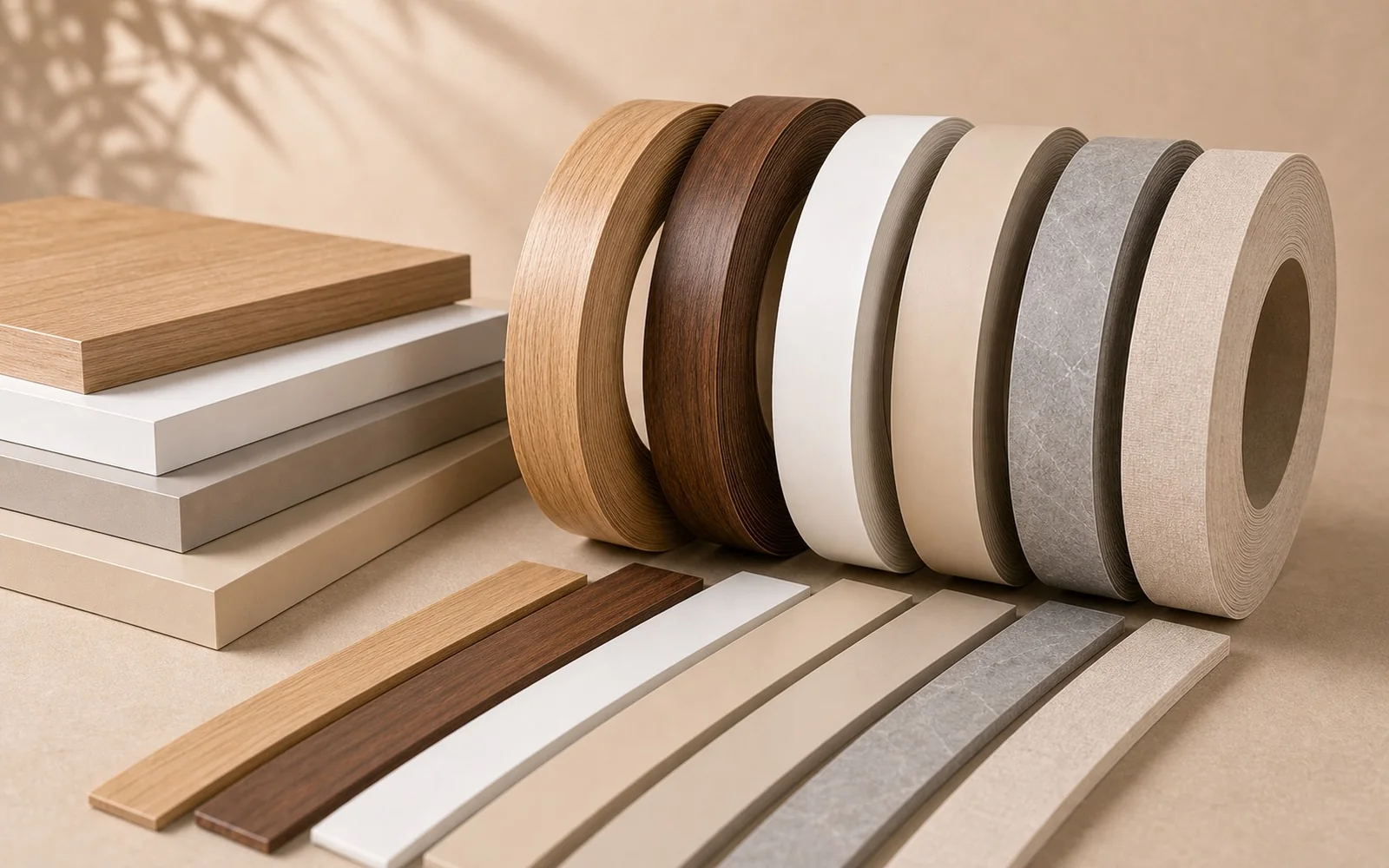
What is PVC edge banding?
PVC edge banding is widely used in furniture, cabinets, wardrobes, shelves, doors and interior decoration projects. It is applied to the exposed edges of MDF, particle board, plywood and other wood-based panels to create a clean, durable and professional finish.
For furniture manufacturers, choosing the right edge banding is not only about price. Color matching, thickness, width, surface finish, flexibility and adhesive performance can all affect the final product quality. A suitable edge banding can make furniture look better, last longer and reduce production problems.
PVC edge banding is a flexible decorative strip used to cover and protect the edges of wood-based panels. After cutting MDF, particle board or plywood, the raw edges are usually exposed. Edge banding helps cover these edges and gives the panel a finished appearance.
It can also help protect the board edge from moisture, impact and daily wear. This is why edge banding is commonly used in modern furniture production.
Common applications of PVC edge banding
PVC edge banding is suitable for many furniture and decoration products, including:
- Furniture panels
- Kitchen cabinets
- Wardrobes
- Office desks
- Shelves
- Interior wall panels
- MDF boards
- Particle boards
- Plywood panels
Different applications may require different thicknesses, widths and surface finishes. For example, cabinet doors may need better color matching, while office furniture may focus more on durability and cost control.
Common specifications of edge banding
When choosing edge banding, buyers usually need to confirm several important specifications.
| Material | PVC |
|---|---|
| Thickness | 0.4mm, 0.8mm, 1.0mm, 1.5mm, 2.0mm |
| Width | Regular widths: 9–36 mm, including 12, 16, 18, 22, 25 and 30 mm. 40 mm and 50 mm are custom sizes only, not regular supply. |
| Surface | Matte, glossy, wood grain, embossed, solid color |
| Application | MDF, particle board, plywood, furniture panels |
| Packing | Rolls, cartons, pallets |
| Color matching | Available according to board color or customer sample |
The final specification should be selected according to the board thickness, furniture design and production requirements.
Why color matching is important
Color matching is one of the most important points when choosing edge banding. If the edge banding color is too different from the board surface, the finished furniture may look cheap or unprofessional.
For example, wood grain melamine boards usually need matching wood grain edge banding. Solid color boards may need white, black, grey, beige or customized colors. Some customers also require matte or glossy finishes to match their furniture style.
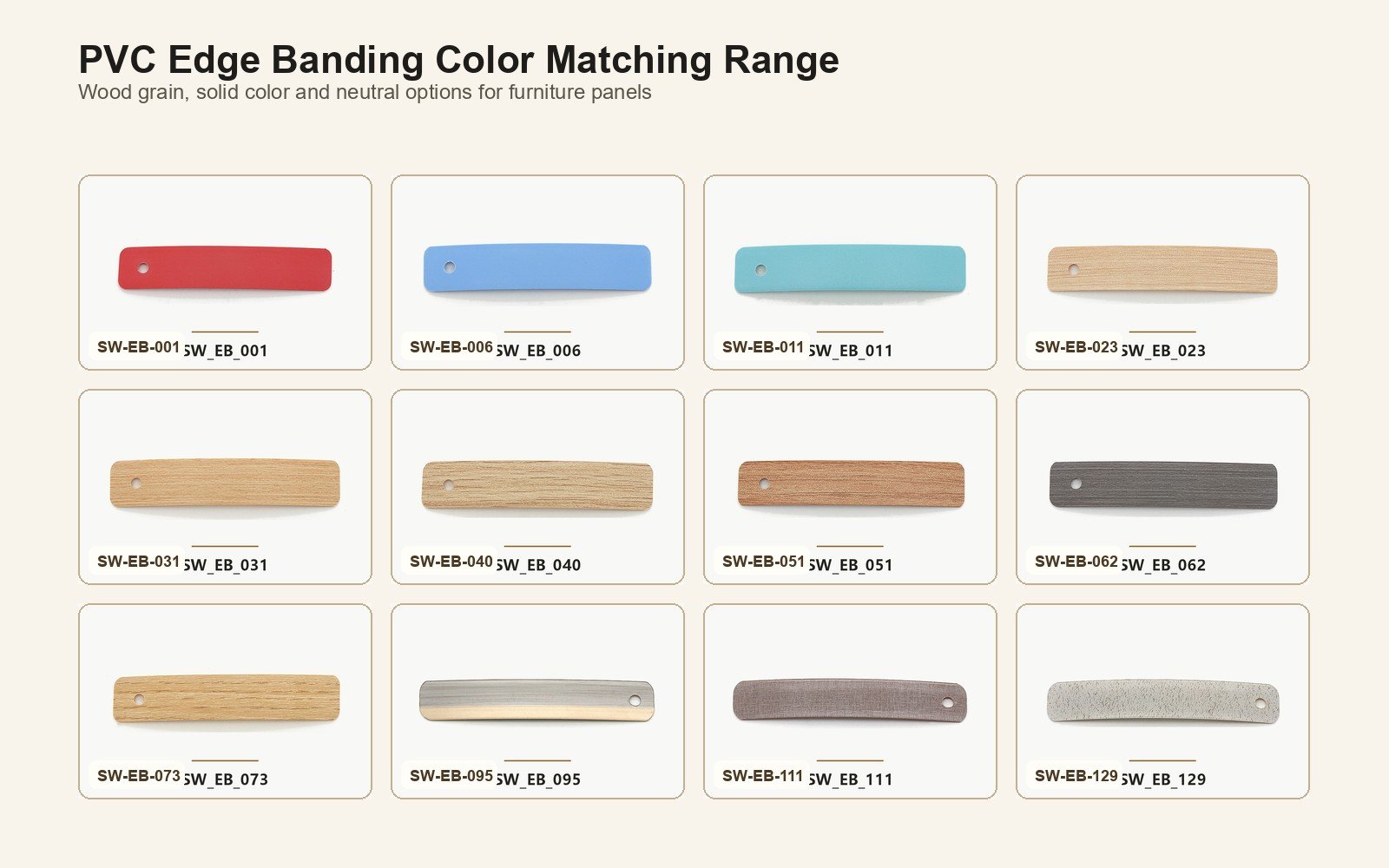
Good color matching can improve the overall appearance of furniture and help manufacturers build a better market reputation.
How to choose the right edge banding
To choose suitable edge banding, buyers should consider the following points.
First, confirm the board material and thickness. MDF, particle board and plywood may use different edge banding widths depending on the panel size.
Second, choose the right thickness. Thin edge banding is often used for economical furniture, while thicker edge banding can provide better durability and a stronger appearance.
Third, check the surface finish. Matte, glossy, wood grain and embossed finishes can create different visual effects.
Fourth, compare the edge banding color with the board surface. If possible, customers can send board samples or color codes for better matching.
Finally, confirm the quantity, packing method and destination port so that the supplier can offer a more accurate price.
Information needed for a faster quotation
To provide an accurate quotation, please send us the following information:
- Required material: PVC
- Thickness and width
- Color code or sample photo
- Surface finish: matte, glossy, wood grain or embossed
- Order quantity
- Packing requirement
- Destination port or delivery address
With this information, we can recommend suitable specifications and offer a more accurate price.
Conclusion
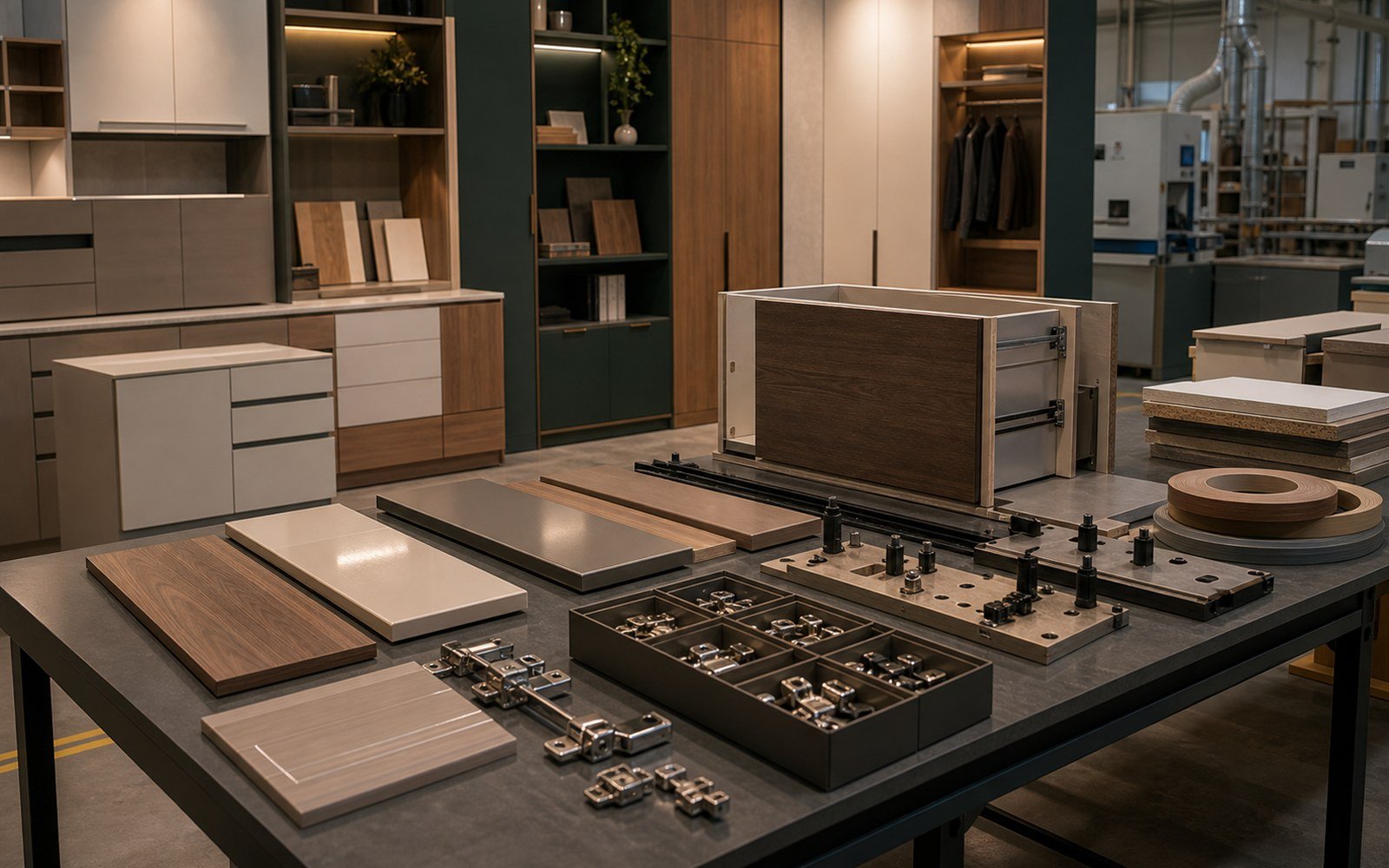
PVC edge banding is a small but important material in furniture production. The right edge banding can improve the appearance, durability and market value of finished furniture.
As a factory-based supplier from China, we provide PVC edge banding, MDF, plywood, melamine boards and other wood-based panel products. We can support different colors, specifications and matching requirements according to customer needs.
If you are looking for PVC edge banding for furniture, cabinets or interior decoration projects, please contact us with your required size, color and quantity. We will help you find a suitable option for your market.