
Panel Buying Guide
How to Inspect Film Faced Plywood Before Buying a Full Container
A practical film faced plywood inspection guide covering thickness, dimensions, core gaps, film surface, bonding, moisture, packing and container loading.
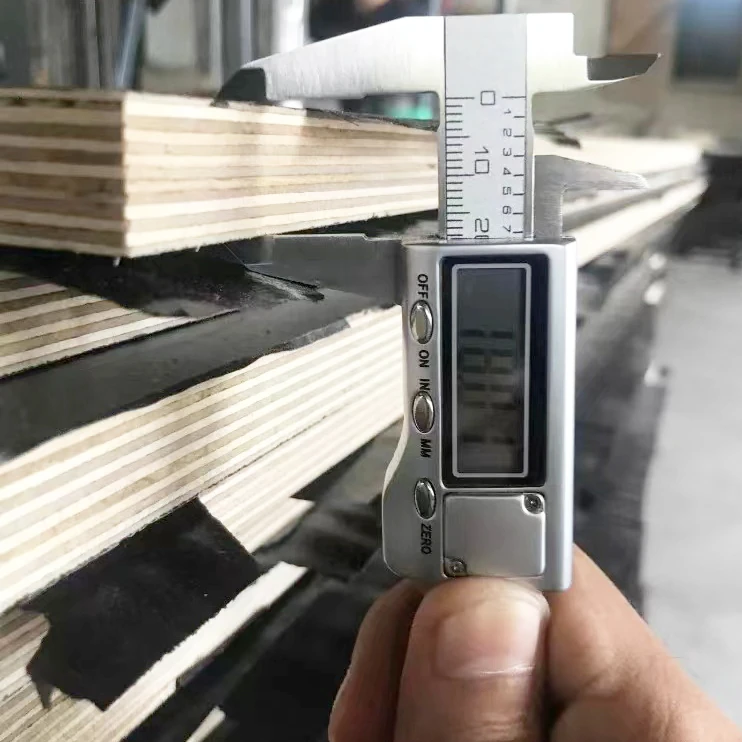
Buying one sample and buying a full container are very different.
A sample may look good, but professional plywood purchasing requires consistency across hundreds or thousands of sheets.
Before confirming a large film faced plywood order, buyers should clearly define the required quality standard and inspection method.
Here are some of the most important points to check.
1. Confirm the Specification First
Inspection is impossible without an agreed specification.
Before production, confirm:
- Length and width
- Nominal thickness
- Thickness tolerance
- Core material
- Core construction
- Ply count
- Film color
- Glue specification
- Packing
- Quantity
If these details are unclear, disputes may occur even when the supplier believes the goods meet the order.
2. Check Panel Dimensions
Standard plywood sizes may include:
- 1220 × 2440 mm
- Other project-specific dimensions
Length and width should be checked using suitable measuring equipment.
The corners should also be reasonably square.
Poor cutting can create problems during installation or formwork assembly.
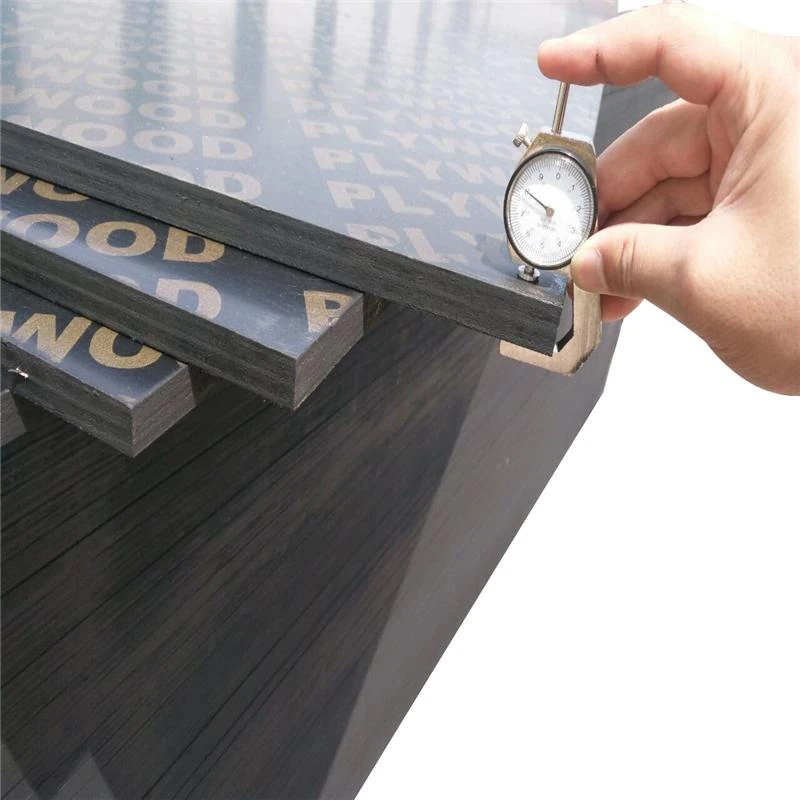
3. Measure Actual Thickness
Thickness is one of the most frequently disputed specifications.
Use a suitable thickness gauge or caliper and measure more than one point on the panel.
Avoid checking only one sheet.
For larger orders, inspection should include samples from different parts of the production batch.
Buyers should define acceptable thickness tolerance before production begins.
4. Inspect the Film Surface
The surface should be checked for visible defects.
Look for:
- Scratches
- Bubbles
- Film separation
- Damaged corners
- Dirt
- Press marks
- Uneven surface areas
Small cosmetic defects and serious surface defects should be clearly distinguished in the agreed inspection standard.
5. Inspect the Edges
The plywood edge provides useful information about the internal structure.
Check for:
- Large gaps
- Missing core
- Overlapping veneers
- Delamination
- Irregular layers
For film faced plywood, edge sealing should also be checked.
Damaged edges can allow moisture to enter the panel more easily during handling and use.
6. Check Bonding
Poor bonding may lead to veneer separation.
Visual inspection can identify obvious delamination, especially around panel edges.
Depending on the agreed product specification, further bonding tests may also be required.
The correct test should match the glue system and intended product standard.
7. Check Moisture
Excessive moisture can affect:
- Weight
- Dimensional stability
- Bonding
- Storage
- Container transport
Moisture should be controlled during production rather than corrected only at the end.
If moisture measurement is part of the purchase specification, the acceptable range should be agreed before production.
8. Compare Sheet Weight
Weight is not a complete quality test, but it can help identify unusual differences between sheets.
Large weight variations may indicate differences in:
- Moisture
- Wood species
- Core structure
- Density
- Material content
Weight should therefore be considered together with other inspection results.
9. Inspect Packing
Export packing is important because plywood may travel for several weeks before reaching the customer.
Check:
- Pallet condition
- Protective sheets
- Steel or plastic straps
- Corner protection
- Shipping marks
- Quantity per pack
The packing method should also be suitable for unloading at the destination.
10. Check Container Loading
Inspection should continue during loading.
Useful records include:
- Empty container condition
- Loading process
- Number of bundles
- Bundle marks
- Final container appearance
- Container number
- Seal number
Photos or video taken during loading can provide additional shipment records.
Should Buyers Use Third-Party Inspection?
For large orders, new suppliers or strict projects, third-party inspection can be useful.
The important point is to provide the inspector with a clear inspection standard.
Simply asking an inspector to “check the quality” is too vague.
A useful checklist should specify:
- What to measure
- How many samples to inspect
- Acceptable tolerance
- Major defects
- Minor defects
- Packing requirements
Sample Approval Is Not Enough
Samples are useful for confirming general product appearance and construction.
However, the final order should still be inspected because production conditions and raw materials can vary between batches.
A good purchasing system combines:
- Clear specification
- Approved sample
- Production control
- Pre-shipment inspection
- Loading records
Final Thoughts
The best time to solve a quality problem is before the container leaves the factory.
A clear inspection process reduces misunderstandings between the buyer and supplier and makes long-term cooperation easier.
At SOWO Panels, buyers can confirm inspection requirements before production. Thickness, surface condition, packing and loading details can also be checked according to the agreed order specification before shipment.
Discuss your panel specification with SOWO
Send the panel type, dimensions, thickness, quantity and destination so we can review the requirements for your quotation.
Request a QuoteCompare your required construction and inspection points with our film faced plywood product specifications before requesting a quotation. Film Faced Plywood